


Malcolm Ling chose SIM–University of London's Digital Innovation and Management programme for its broad view of business and technology, then made the most of SIM's mentorship, internships and industry engagement opportunities to turn that foundation into practical technical capability. By graduation, he had secured a full-time role as a DevOps Engineer — an outcome shaped by the combination of academic learning, hands-on experience and industry connections he built at SIM.
For Malcolm, who enrolled in SIM–University of London's Digital Innovation and Management programme, the degree provided exposure to both business and technology, helping him develop a broad understanding of how organisations and digital innovation intersect. It gave him what he describes as a strong “macro picture” of how a business ecosystem fits together.
As he progressed through his studies, Malcolm also found that this breadth also gave him the flexibility to develop a growing interest in a more technical career path.
A crucial part of that pivot was Project Protégé, which helped Malcolm connect his academic foundation with the technical career he was increasingly drawn to.
Project Protégé is a four-month mentorship programme that connects students and alumni with experienced industry professionals. Designed to enhance employability, the programme helps participants gain industry insights, build professional networks and clarify their career goals.
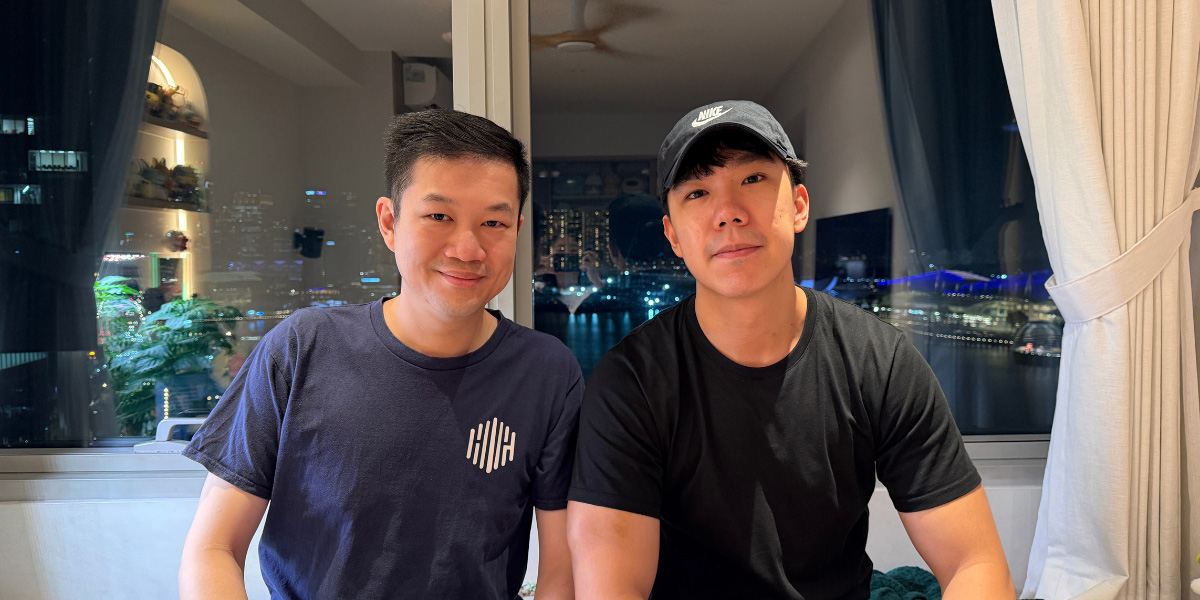
Through Project Protégé, Malcolm gained direct access to professionals working in roles he aspired to pursue. Their insights helped him translate his interests into an actionable development plan: understanding industry expectations, identifying the technical skills to strengthen and focusing his efforts on experiences that would move him closer to his goals.
“It also helped me see that mentorship is not just about receiving advice but about consistently acting on the advice,” he shared — an approach that became a defining feature of how he built his career readiness.
TURNING MENTORSHIP INTO INDUSTRY OPPORTUNITY
One mentor in particular left a lasting impression. After reviewing some of Malcolm's personal projects, Han Yang, a Senior Software Engineer at GovTech Singapore, recognised both his potential and curiosity for technology. He encouraged Malcolm to continue sharpening his technical skills and building on the work he had already begun outside the curriculum.
That encouragement proved timely when an internship opportunity at GovTech became available. Han Yang urged Malcolm to apply and highlight the projects and technical competencies he had developed independently.
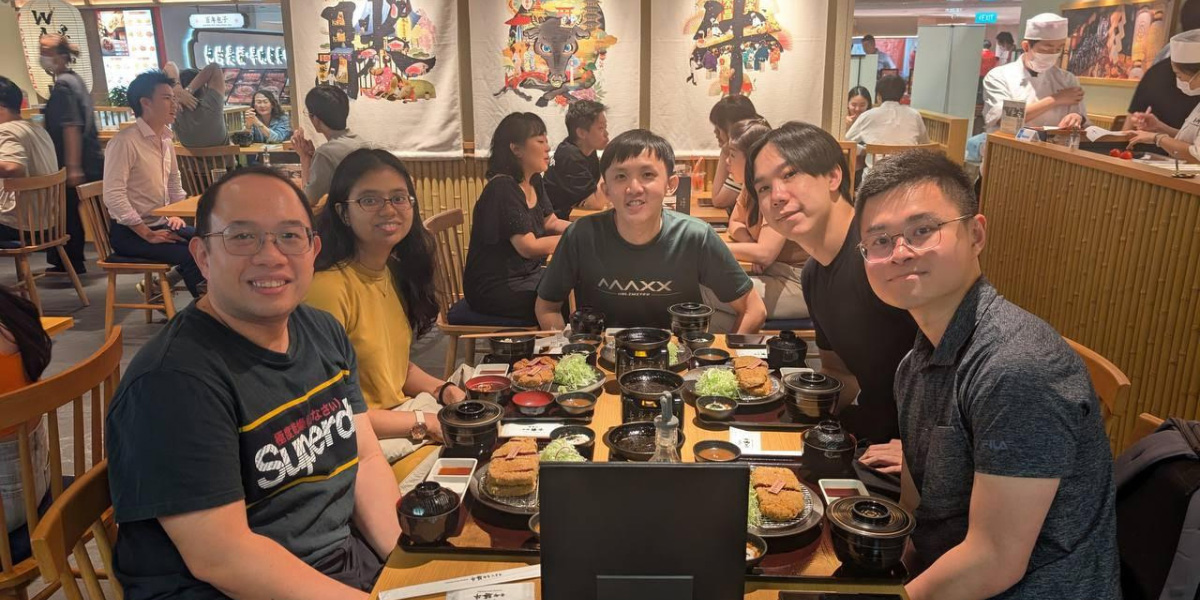
“I did not expect to get the role because my assignment was not fully working at first,” Malcolm recalled. “However, during the interview's pair programming phase, I managed to debug the issue and get it working at the final moment.
“I think that experience showed the interviewers that I was persistent, collaborative and willing to work through difficult problems. That helped me secure the internship.”
BUILDING TECHNICAL SKILLS THROUGH REAL-WORLD EXPERIENCE
Beyond mentorship, Malcolm actively sought opportunities to apply his learning through hackathons and competitions, including the TikTok Challenge, NUS AI Challenge, Cursor Hackathon and Huawei Tech4City.
These experiences challenged him to work on real-world problems, collaborate with others and benchmark his skills against students from across Singapore.
More importantly, they reshaped how he viewed employability.
“The strongest candidates often use hackathons as stepping stones towards deeper projects, internships or real-world products,” he said. “That changed the way I approached employability. I started thinking less about simply participating, and more about how I could build things that showed real value.”

Looking back, Malcolm sees the strength of his university experience in the way academic learning and applied opportunities worked together, giving him both a broad foundation and multiple avenues to build workplace-ready skills.
“My studies gave me a foundation in the theory behind business, technology and innovation,” he said. “I think the biggest preparation came from combining academics with experiences outside the classroom.”
While his classes helped him understand key concepts, co-curricular activities, hackathons, workshops and networking events allowed him to apply those concepts in practical settings. These experiences also helped him develop professional skills such as communication, self-presentation, and interview readiness.
“Together, these experiences helped me become more adaptable and more prepared for the working world.”
BUILDING A DISTINCTIVE EMPLOYABILITY PROFILE
As Malcolm moved from internship experience towards full-time employment, each interview became another opportunity to sharpen his approach. He used the process to refine how he presented his experience, demonstrated his technical thinking, and strengthened his readiness for the right role.
That iterative approach helped him become increasingly deliberate about the value he could offer: a broad understanding of business and technology, reinforced by a growing portfolio of technical projects and real-world experiences.
By the time later opportunities came along, Malcolm had built a strong portfolio spanning projects, internships and competitions — tangible evidence of both technical capability and initiative.
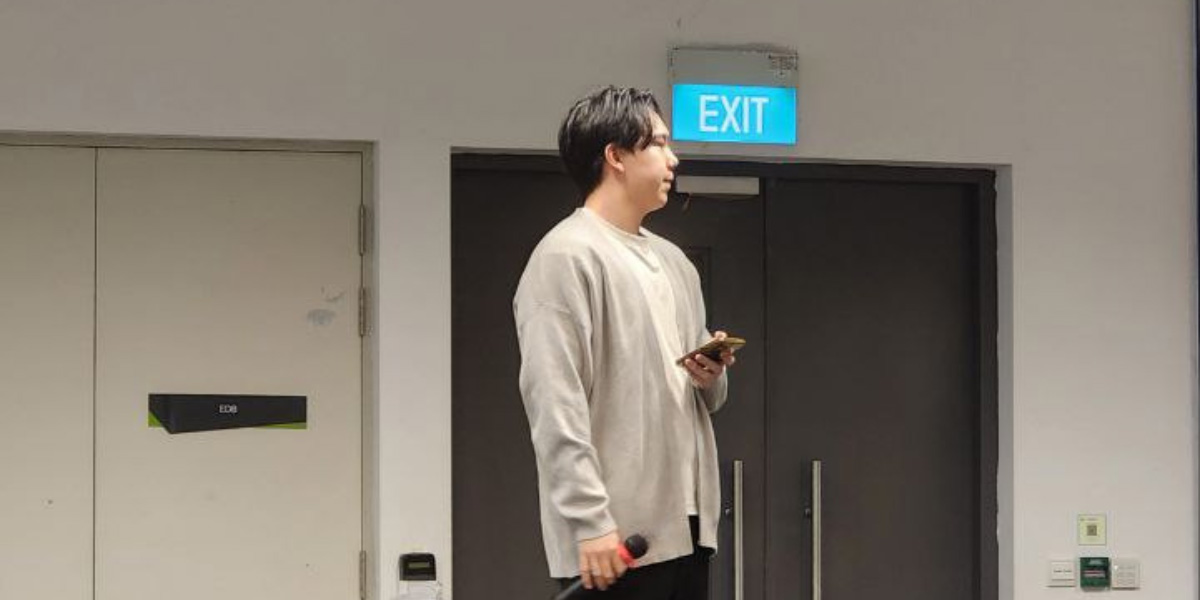
“I think what helped me stand out was proof of initiative,” the DevOps Engineer at BIT Official (formerly Matrixport Official) recalled. His projects, internships, and hackathons gave employers concrete evidence of his commitment to technology, while the way he discussed technical problems showed how he approached the work itself.
“I also tried to be honest about what I did not know, while demonstrating my strengths in what I did know,” he said. For Malcolm, that combination of self-awareness, curiosity, and continuous growth became another strength he could bring to employers.
GIVING BACK THROUGH MENTORSHIP
For students hoping to enter competitive industries, Malcolm believes the strongest preparation comes from pairing academic learning with evidence of what they can do.
“To stand out, you need to build evidence that you can deliver outcomes in the role you want,” he said. “Employers are not only looking at what you studied. They are also looking for signs that you can take initiative, solve problems, and create outcomes.”
Whether through projects, internships, competitions, or mentorship, he encourages students to seek opportunities that allow them to create tangible impact and demonstrate their capabilities.
For Malcolm, securing a technical role before graduation reflects the value of a deliberately broad university experience: academic learning provided perspective, while mentorship, internships, projects and competitions gave him repeated opportunities to apply and deepen his skills. Together, they enabled him to shape an emerging interest in technology into a confident start to his DevOps career.
Project Protégé is offered under SIM Career Connect which supports SIM students to develop a competitive edge in their career and build industry networking and professional connections. Malcolm is now giving back to Project Protégé as a mentor, guiding fellow juniors in their career paths.