
What is ESG? 6 Ways to Turn ESG into a Competitive Advantage for SMEs
This article explains what ESG means and how SMEs can use ESG‑related practices to support responsible growth.

07 September 2026
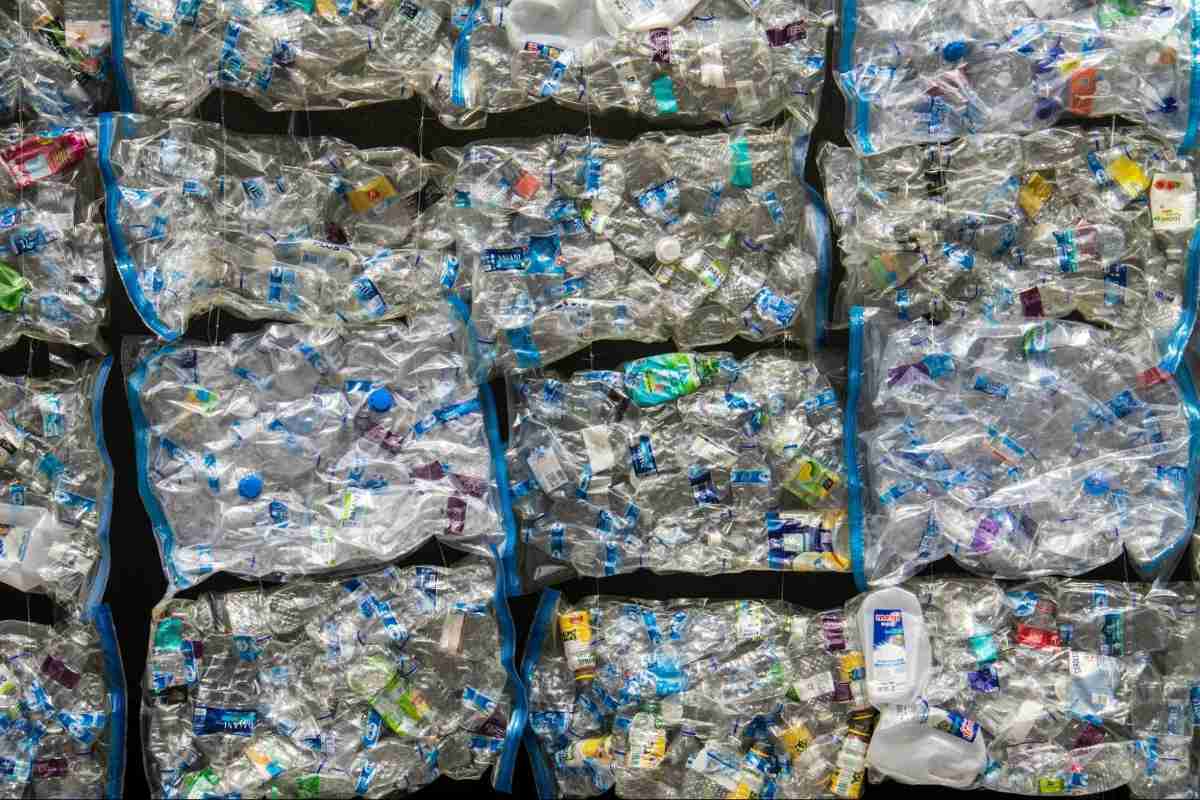
What is ESG? | Applying ESG in Waste reduction
Stakeholder interest in corporate sustainability and climate‑related initiatives has grown significantly. 94% of mainboard companies have created roles or committees dedicated to climate‑related risks and opportunities.
What is ESG, and why does it matter to you if you work in a small or medium‑sized enterprise (SME)? As society places greater attention on responsible business practices, understanding ESG can help you see how everyday operational decisions may affect your organisation.
This article explains what ESG means and how SMEs can use ESG‑related practices to support responsible growth.
What is the Meaning of ESG for Modern Organisations?
ESG stands for environmental, social and governance. It is a practical way for an organisation to consider how it uses resources, treats people and makes decisions.
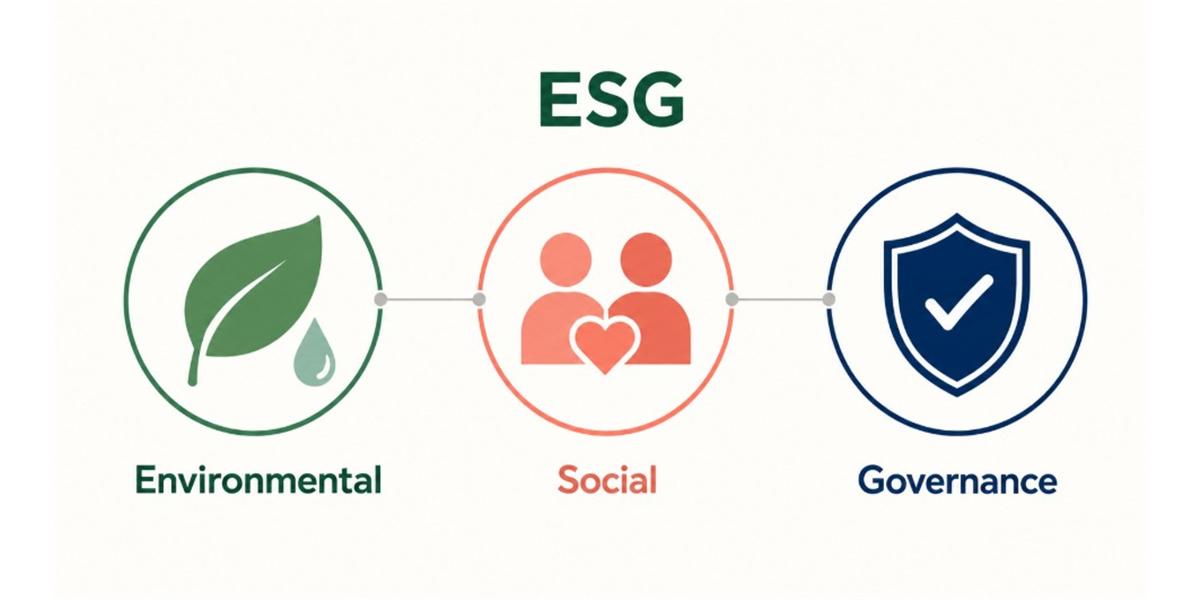
Environmental factors cover a business’s impact on natural resources. This may include energy use, water consumption, waste, packaging, transport and greenhouse‑gas emissions. A café might track food waste, while a manufacturer may focus on electricity use and materials.
Social factors concern people affected by the business. They include employee safety, fair treatment, training, customer wellbeing, diversity and community relationships.
Governance refers to how decisions are made, checked and recorded, including policies, data controls and ethical conduct.
6 Ways ESG Practices Support Competitive Advantage for SMEs
1. Accessing Sustainable Finance and Securing Green Capital
Some lenders, investors and grant programmes assess environmental and governance information when reviewing business plans. SMEs with credible records of energy use and risk controls are better prepared to discuss sustainability‑linked financing or relevant support schemes.
2. Reducing Long‑Term Operational Costs Through Resource Optimisation
Resource efficiency is often the most direct place to begin. Meter readings, equipment schedules and procurement records can reveal avoidable electricity, water or material use. Using this approach, SMEs can locate controllable costs and measure whether operational changes are effective.
3. Winning High‑Value B2B Contracts via Supply Chain Compliance
Large buyers increasingly ask suppliers about labour practices, emissions data, or material sourcing. An SME that keeps supplier information organised and can explain its controls will find it easier to respond to procurement questionnaires and customer reviews.
4. Elevating Brand Equity and Building Loyalty with Conscious Consumers
Against the backdrop of drastic climate change and rising natural disasters, consumers increasingly prioritise ESG performance. Customers favour brands with sustainable practices, yet credibility matters more than empty sustainability claims. Businesses should describe what they have changed and explain any limits to build trust.
5. Maximising Talent Retention by Creating a Purpose‑Driven Workplace
Employees are more likely to contribute useful ideas when they understand how a business manages safety, learning and fair treatment. For a small team, this could mean regular skills training, clear feedback channels and a simple process for reporting workplace concerns.
6. Pre‑empting Regulatory Shifts and Avoiding Non‑Compliance Penalties
Regulatory requirements differ by sector and company size, but businesses can reduce surprises by tracking relevant standards and customer expectations. Good governance means knowing who is responsible for compliance, which records are needed and when policies should be reviewed.
| Competitive advantage pathway | Relevant ESG focus | Practical SME action |
|---|---|---|
| Prepare for sustainable finance | Environmental and governance data | Track resource use, set targets and document key risks |
| Reduce operating costs | Environmental | Review energy, water, materials and waste in daily operations |
| Respond to B2B buyer requirements | Environmental, social and governance | Maintain supplier records and prepare responses to sustainability questionnaires |
| Build credible customer trust | Environmental and social | Communicate specific actions, such as lower‑waste packaging or responsible sourcing |
| Support employee engagement | Social | Provide training, clear safety processes and channels for feedback |
| Manage compliance risks | Governance | Assign responsibilities, review policies and keep relevant records updated |
Developing a Practical ESG Strategy to Drive Growth
.jpg?lang=en-US)
Packaging, purchasing and waste handling are visible starting points of ESG strategy
Aligning Corporate Operations with International Environmental Standards
International environmental standards can help you turn broad sustainability goals into clearer operating practices. Start by identifying the requirements most relevant to your business, then compare them with how you currently manage energy use, waste, transport, purchasing or supplier information.
For example, a logistics firm may focus on fuel use and fleet data, while a service business may prioritise office energy, business travel and supplier practices. International environmental standards can offer a useful framework, but SMEs should begin with reliable information they can collect and review consistently.
Enhancing Social Value Through Professional Development and Workforce Upskilling
Professional development can strengthen the social pillar while helping a business carry out its environmental and governance plans. Staff may need to understand sustainable procurement, carbon management, or workplace safety.
Establishing Transparent Governance Frameworks for Risk Management
Governance is often the link between a sustainability promise and actual delivery. SMEs can begin by naming a person responsible for each target, documenting decisions and reviewing progress at regular meetings. Clear records help managers notice missed targets early and explain results to customers or partners.
Learning from Success: Practical Examples of Sustainability in Business
Now, you understand the main ESG priorities for an SME. But how do these ideas work in day‑to‑day business decisions? Here are real‑world examples to help you.
Containers Printers: Saving costs via energy efficiency
Containers Printers, a Singapore manufacturing business featured by the SME Sustainability Hub, demonstrates the value of leadership and employee involvement. Its approach highlights that continuous improvement is more likely to take hold when employees understand how their work supports wider business goals.
Penguin International: Sustainability Through Reporting
Penguin International offers a different starting point. The company began by developing sustainability reporting before pursuing further green innovations. This shows how reporting can be useful beyond compliance: it can help you organise operational data, identify priority areas and make more informed decisions about where to improve.
For you as a learner or working professional, these examples underline the practical side of ESG. ESG skills can help you understand business priorities and contribute more confidently to ESG‑related decisions across different organisational settings. If you are exploring ESG‑related career pathways, this is also a useful area to consider.
Empowering Your Enterprise: Driving Competitiveness Through SIM Sustainability Courses
Grasping ESG fundamentals is a solid starting point. Real world implementation, however, demands proficiency in data, standards, risk management and strategic decision making. If you are ready to develop these practical capabilities, explore SIM sustainability courses, which cover areas including sustainability and climate risk, supply‑chain decarbonisation, and business sustainability performance and reporting.