


For many young people today, uncertainty is no longer the exception — it is the norm. From emerging industries such as artificial intelligence and cryptocurrency to shifting job markets and evolving regulations, navigating the future requires adaptability, resilience and clarity of thought.
Alumnus Benjamin Toh knows this well.
As the Head of Compliance at Herring Global, a Singapore-based digital asset market-making and trading firm, much of his work involves interpreting evolving regulatory expectations and translating them into practical policies and controls as market practices change rapidly.
LAYING THE FOUNDATION
If anything felt certain early on, it was Benjamin’s interest in finance. Looking to pursue his degree, he was drawn to what the SIM-University at Buffalo (SIM-UB) Business Administration programme had to offer.
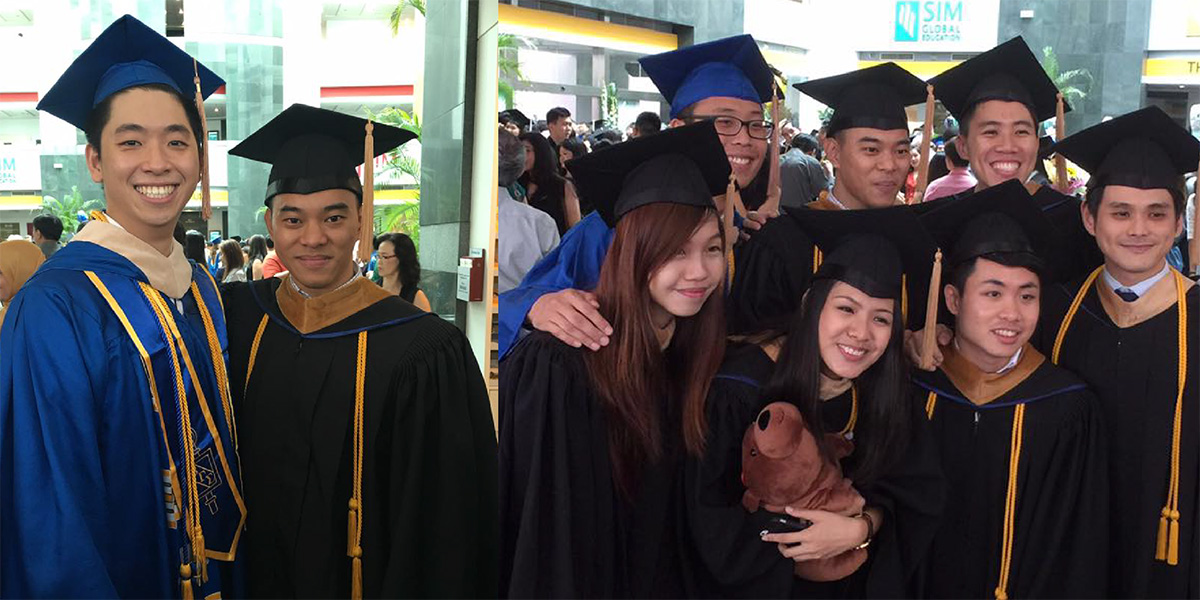
“What stood out to me was the opportunity to pursue a US degree programme while studying in Singapore. The teaching style placed stronger emphasis on active learning. That appealed to me because I wanted to improve my soft skills, particularly communication and confidence.”
One memorable class was his final capstone module, Fundamentals of Strategic Management, taught by Professor Paul McAfee. The class of 41 heard from a SIM-UB alumna from Carousell, a digital secondhand marketplace, who shared candid insights into the company’s challenges. Then, instead of a typical group discussion, students assumed functional roles and ran the class like a real company.
“I led the finance team and Professor McAfee provided guidance on how to collaborate with other divisions that often had competing priorities,” Benjamin explains. “He emphasised the importance of negotiation, communication, and alignment across teams—skills that are critical in management roles.”
Benjamin enjoyed the class because of the complexity of the project and how it closely mirrored real organisational dynamics rather than textbook scenarios.
Benjamin also joined the Investment and Networking Club, connecting with like-minded peers and stayed up to date via the SIM student portal regarding career seminars, personal development workshops, and industry programmes.
Some valuable career workshops that he attended were industry talks with Barclays professionals organised by SIM, as well as a networking session with KPMG facilitated by the SIM Accounting Club.
“These sessions helped me better understand industry expectations, workplace culture, and how professionals approach real-world challenges.”
THE ART OF THINKING CLEARLY
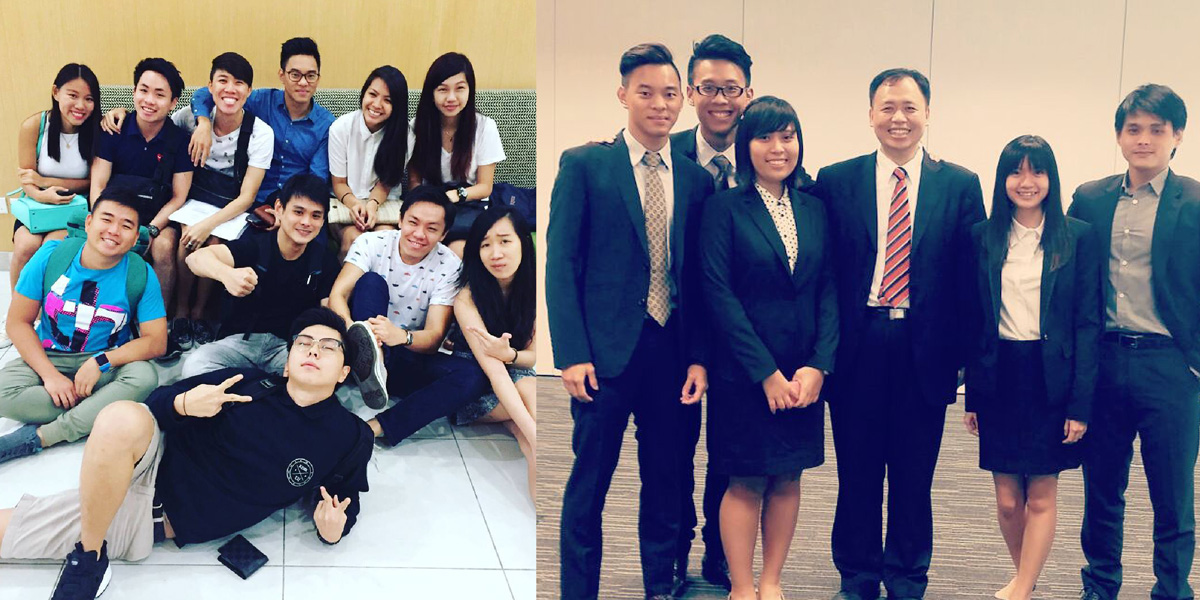
As a young graduate, one of his most formative experiences was his time at Deloitte.
“It was an environment where expectations were high, attention to details mattered, and your thinking had to be clear and defensible,” he explains.
He started reading up on banking products, industry trends, and how the financial landscape was evolving, ensuring that compliance issues were never viewed in isolation. At the same time, he began documenting his thinking through research papers and internal write-ups.
“It gradually became a way to contribute ideas, demonstrate thought leadership, and increase my visibility within the department.”
Even after transitioning from the banking industry into the crypto industry, Benjamin continued keeping pace with developments and makes it a point to learn by doing — testing on-chain platforms, executing small transactions and experiencing processes from a user’s perspective.
Over time, he learnt that navigating complexity is less about eliminating ambiguity and more about managing it effectively. This meant first understanding what the business is truly trying to achieve and tailoring solutions accordingly.
UNCERTAINTY AS MOTIVATION
“Earlier in my career, my motivation was closely tied to delivering what was expected and earning recognition,” Benjamin admits. “That has changed.”
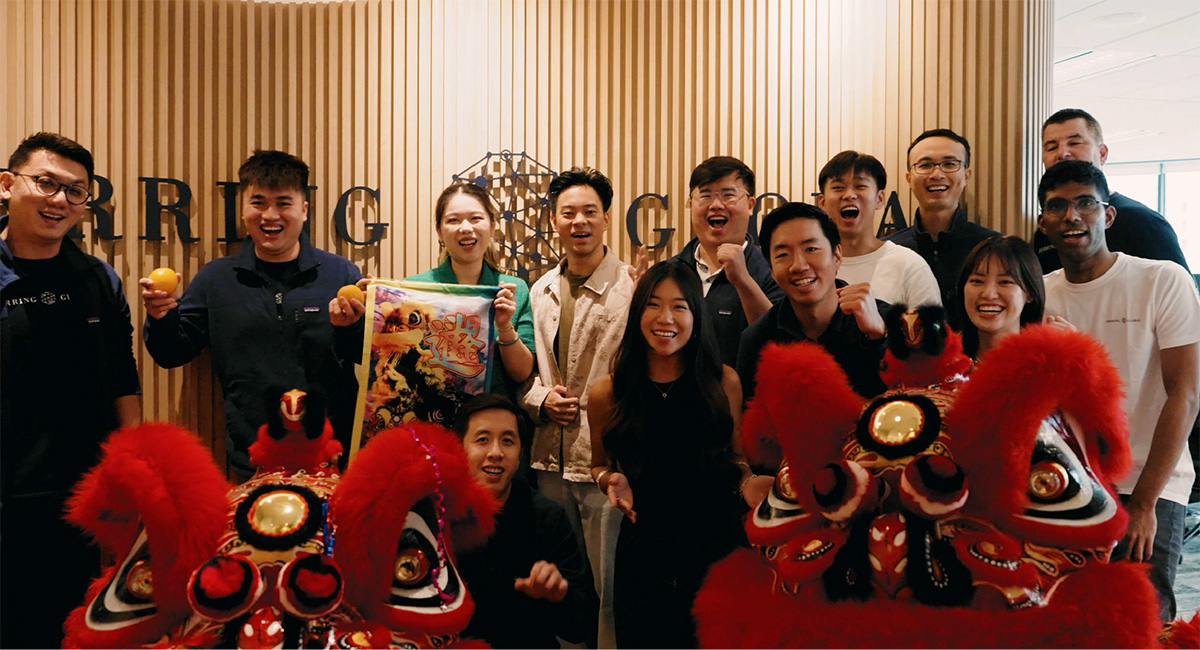
Benjamin now finds fulfilment in studying emerging areas such as tokenised products and prediction markets, where regulatory clarity is still developing. His day-to-day work also centres on weighing risks and translating them into practical frameworks that help the company operate compliantly and responsibly.
“That shift from seeking recognition to building clarity in uncertain areas has fundamentally changed how I experience my work and sustained my interest in the industry.”
PLAN, BUT BE READY TO PIVOT
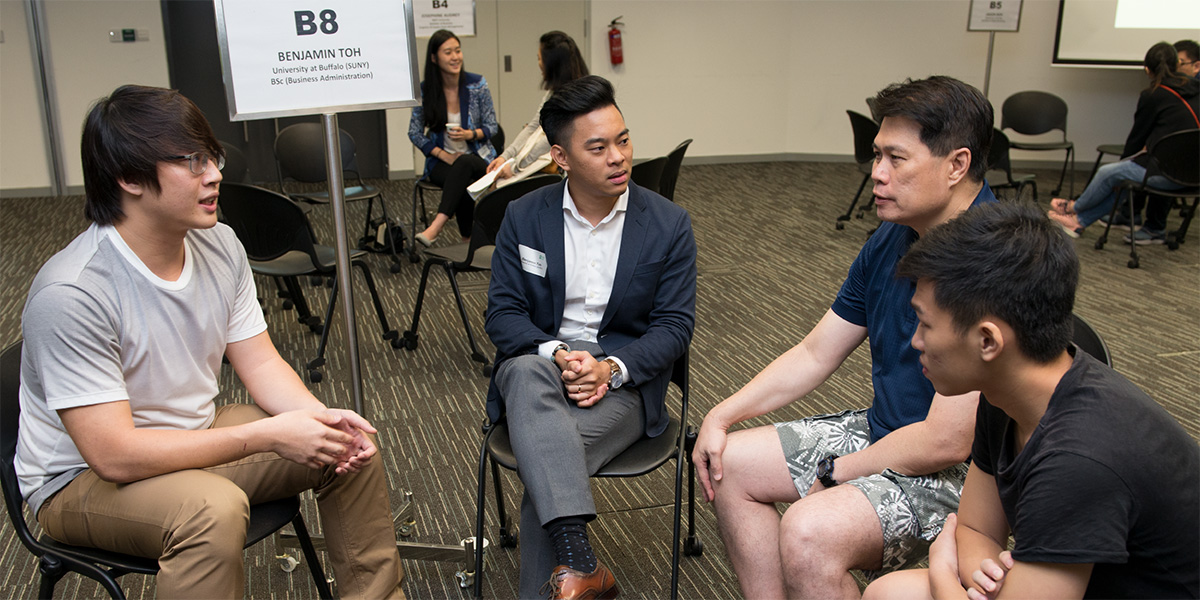
Over the past few years, Benjamin has also actively given back to the SIM-UB community by speaking with SIM students about potential career pathways within banking and the digital asset sector. This year, he has also applied to join the UB Alumni career advisory panel, which focuses on providing structured career guidance and support to students.
“I genuinely enjoy having conversations with students who are trying to figure out their next steps,” he explains. “From my own experience, even a short conversation from someone slightly further along can make a meaningful difference in how someone thinks about their options.”
To his juniors, Benjamin advises planning what they want to achieve before the end of their university journey.
“Having an actionable plan with clear, realistic goals makes it easier to stay focused and track your progress — especially in an environment where distractions are easy to come by.”
That said, he acknowledges that not everything will go according to plan. One of his goals as a student was to secure a fully funded semester of study. Despite applying twice, he was unsuccessful. However, that did not stop him from moving forward or making the most of his time at SIM.
“Plans provide direction, but adaptability is just as important,” the valedictorian of his cohort concludes.
“What ultimately matters are staying committed to learning, improving, and taking advantage of the opportunities available to you, even when outcomes differ from your original expectations.”